



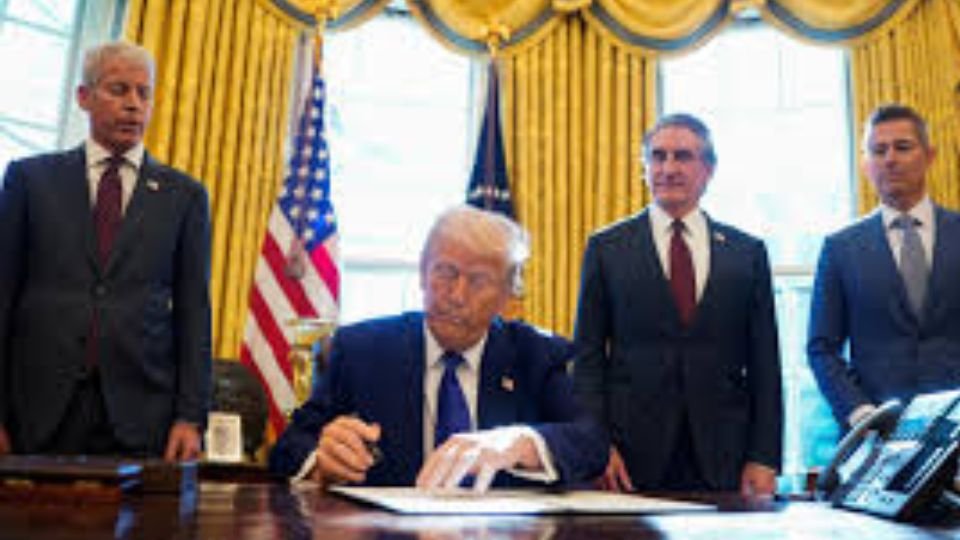
The Trump administration has announced sweeping changes to Medicaid eligibility, introducing new nationwide work and community engagement requirements that federal officials describe as the most significant shift in the program in more than ten years. According to updated guidance from the Centers for Medicare & Medicaid Services, all able-bodied, working-age adults enrolled in Medicaid will soon be required to complete at least 80 hours of work, education, volunteering or community service every month to remain eligible, unless they qualify for an exemption.
These changes stem from the Working Families Tax Cut legislation, part of President Donald Trump’s broader “One Big Beautiful Bill,” which aims to reduce improper enrollment, encourage employment and reinforce the long-term financial health of both Medicaid and the Children’s Health Insurance Program. CMS said the new rules are intended to connect beneficiaries with meaningful opportunities while ensuring that states have stronger tools to verify eligibility and prevent misuse of federal funds.
States are required to put the new rules in place by January 1, 2027, though they may move faster if they choose. Several states had experimented with similar work requirements in the past, but those programs were limited and inconsistent. With this reform, every state must adopt and enforce the same baseline expectation of 80 hours of verified monthly activity.
Administration officials argue the shift will improve personal responsibility, reduce fraud and help more Americans return to the workforce. Critics, however, warn that the additional paperwork and reporting obligations could result in eligible individuals losing coverage simply because they struggle to navigate the documentation process.
CMS officials emphasized that the new rules bring Medicaid in line with other federal benefit programs such as SNAP and TANF, which already require work or community engagement from certain recipients. The agency urged states to integrate their verification systems with existing federal and state programs, both to cut administrative costs and to streamline the process for beneficiaries. To support implementation, the federal government has allocated $200 million in fiscal year 2026 to help states build or upgrade the systems needed to track and audit compliance. States may also determine whether beneficiaries must demonstrate work activity for one, two or three consecutive months ahead of the 2027 deadline.
Health and Human Services Secretary Robert F. Kennedy Jr. welcomed the changes, saying the reforms restore “the dignity of work” and offer new pathways for Americans seeking financial independence. CMS Administrator Dr. Mehmet Oz echoed the sentiment, stating that too many individuals have been discouraged by programs that fail to encourage their potential, and that the new rules reinforce a message of empowerment and purpose.

