



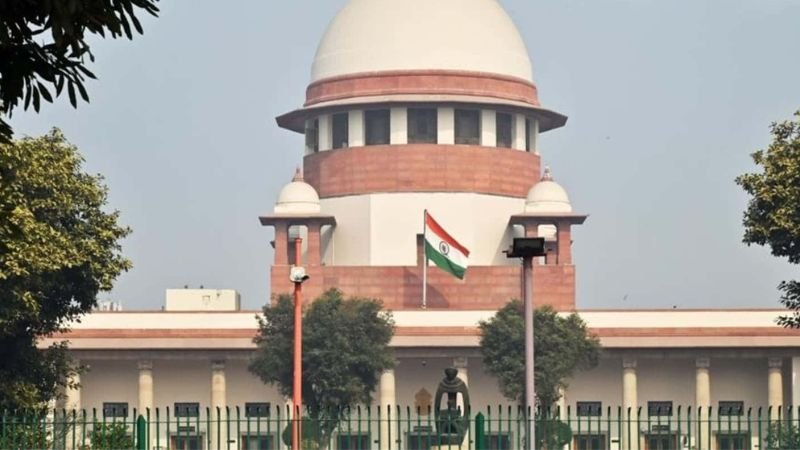
In a significant ruling aimed at protecting judicial independence, the Supreme Court on Wednesday struck down crucial portions of the Tribunals Reforms Act, 2021, holding that the Union government had brought back provisions earlier rejected by the court with only minor cosmetic changes.
A bench comprising Chief Justice B.R. Gavai and Justice K. Vinod Chandran ruled that the contentious provisions governing the appointment process, tenure, and service conditions of tribunal members violated the principles of separation of powers. The court noted that the government had attempted to “legislatively override” binding judicial precedents without addressing the constitutional defects previously highlighted.
While reading out the verdict, the Chief Justice observed that the comparison between the earlier Ordinance and the 2021 Act made it clear that clauses struck down earlier had been “re-enacted almost verbatim, barring minor tweaks.” The court said this amounted to undermining judicial authority and could not be allowed.
The judgment reinstates the earlier directions issued by the apex court, including the age and tenure rules for tribunal members. Members of bodies such as the Income Tax Appellate Tribunal (ITAT) and the Customs, Excise and Service Tax Appellate Tribunal (CESTAT) will continue in service until the age of 62, while presiding officers will remain in office until the age of 65.
The court also underlined that addressing pendency in tribunals is a shared responsibility and cannot be placed solely on the judiciary. It emphasized the need for cooperation between all branches of government to ensure smooth functioning of the tribunal ecosystem.
The verdict was delivered on a batch of petitions that challenged the constitutional validity of the Tribunals Reforms Act, which had overhauled several tribunals and abolished appellate bodies such as the Film Certification Appellate Tribunal. The Supreme Court had reserved its judgment on November 11.

