



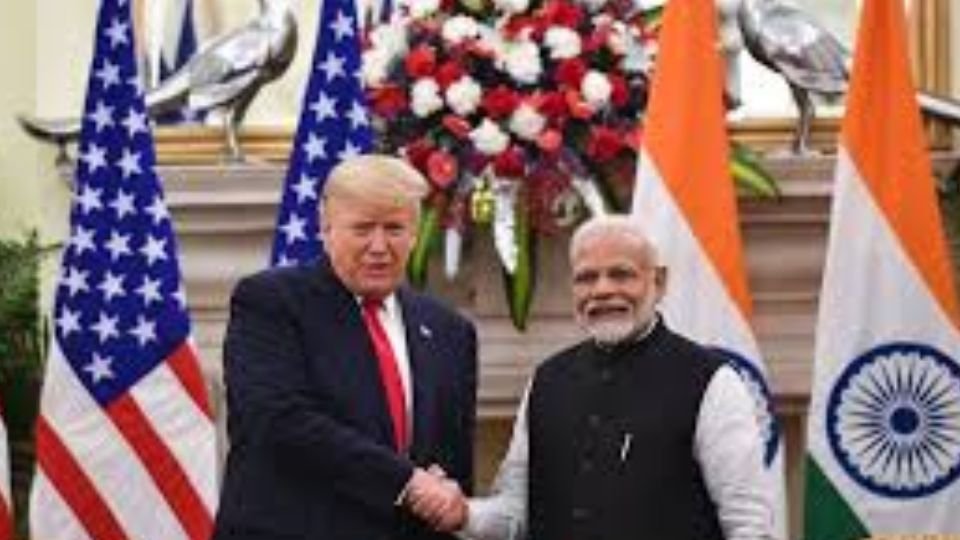
A wave of diplomatic chatter has been sparked by reports that U.S. President Donald Trump is considering the creation of a new strategic grouping of world powers—one that would bypass the traditional Western-led forums such as the G7. The proposed bloc, informally dubbed the “C5” or “Core Five,” is said to include the United States, India, China, Russia and Japan, bringing together some of the largest and most influential countries in terms of population, military power and geopolitical sway.
According to a report by Politico, the concept surfaced in a longer, unpublished version of the National Security Strategy linked to the White House. Although the U.S. administration publicly denied the existence of any alternative draft, the idea reportedly appeared in analysis shared by Defense One. The goal of the C5, as described, would be to form a high-level decision-making body unconstrained by the G7’s long-standing requirements of wealth and democratic governance. Regular summits on targeted global issues would define its functioning, with the first proposed agenda item reportedly centred on Middle East security and advancing Saudi–Israel normalisation.
The possibility of such a grouping has raised eyebrows across diplomatic circles, not only for its ambitious scope but also because it would significantly reduce Europe’s centrality in major power negotiations. National security analysts say the idea resonates with Trump’s worldview, which often prizes strong nation-states and pragmatic deal-making over traditional alliance frameworks. Experts note that the exclusion of European nations—and the elevation of Russia—would likely unsettle many U.S. allies, especially at a time when debates over America’s commitment to NATO and the post-war order are already tense.
Trump’s interest in an exclusive, hard-power consortium also appears to break with his first-term approach to China, which largely framed bilateral ties through the lens of great-power competition. Analysts pointed out that a cooperative forum including Beijing, Moscow and New Delhi would represent a major strategic shift from that posture, suggesting a more transactional and flexible diplomatic approach.
While there is no official confirmation, the speculation alone has stirred conversations about whether Washington is preparing to redefine global power structures to reflect a more multipolar world. For India, being placed within such an exclusive grouping highlights its growing strategic weight, though it also raises questions about alignment, autonomy and the expectations such a role might entail.
As allies and observers wait for clarity, the idea of a potential C5 has exposed deeper anxieties about how Trump’s second term could reshape the foundations of global diplomacy—either through bold reinvention or disruptive unpredictability.

