



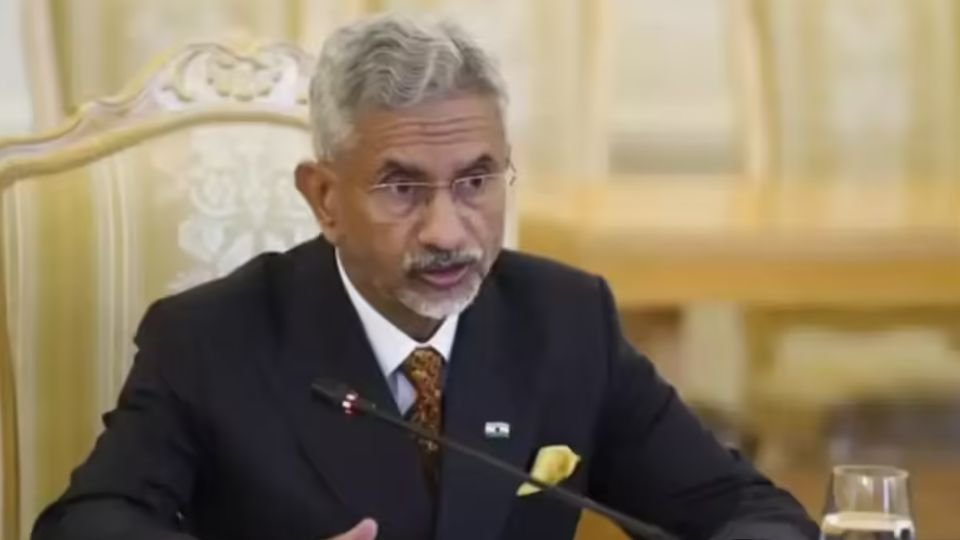
India has conveyed strong reservations to Poland over what it described as unfair pressure tactics linked to the Ukraine conflict, while also delivering a clear message on cross-border terrorism and Pakistan’s role in the region. The concerns were raised during talks between External Affairs Minister S Jaishankar and Polish Deputy Prime Minister and Foreign Minister Radosław Sikorski in New Delhi.
During the meeting, India underlined its discomfort with what it sees as “selective targeting” over its trade ties with Russia, including the use of tariffs and other coercive measures amid the ongoing Russia–Ukraine war. Jaishankar reiterated that such approaches were neither fair nor justified and amounted to pressure on India’s independent foreign policy choices.
He noted that India has consistently advocated dialogue and diplomacy to end the Ukraine conflict and has resisted being drawn into bloc-based positions. According to him, singling out India for its economic engagement with Moscow ignores the broader realities of global energy markets and undermines the principle of strategic autonomy.
Alongside the Ukraine-related discussion, Jaishankar raised India’s long-standing concerns on terrorism. He cautioned that Poland, while expanding its strategic partnership with India, should maintain a zero-tolerance approach towards terrorism and avoid any direct or indirect support to Pakistan in matters linked to extremist networks. The remark was widely interpreted as a reminder to European partners to take consistent positions on cross-border terrorism emanating from India’s neighbourhood.
The Indian side stressed that counter-terrorism cannot be selective and that political messaging or diplomatic engagements that overlook Pakistan’s record on terror financing and safe havens risk weakening global efforts against extremism.
Poland’s foreign minister, in response, acknowledged concerns over selective trade targeting and agreed that such practices could destabilise global commerce. He also referred to recent security incidents in Poland, including acts of sabotage and attempted state-linked attacks, and said Warsaw understood the importance of countering trans-border terrorism.
The talks also reviewed the broader India–Poland Strategic Partnership, which was elevated during Prime Minister Narendra Modi’s visit to Warsaw in 2024. Both sides discussed progress under the Action Plan 2024–28 and explored deeper cooperation in trade, investment, defence, clean energy, digital technologies and innovation.
With bilateral trade nearing USD 7 billion and Indian investments in Poland exceeding USD 3 billion, both countries expressed confidence in the future of their partnership. At the same time, India used the engagement to clearly articulate its red lines—rejecting geopolitical pressure over Ukraine and expecting firm, principled positions from partners on terrorism linked to Pakistan.

