



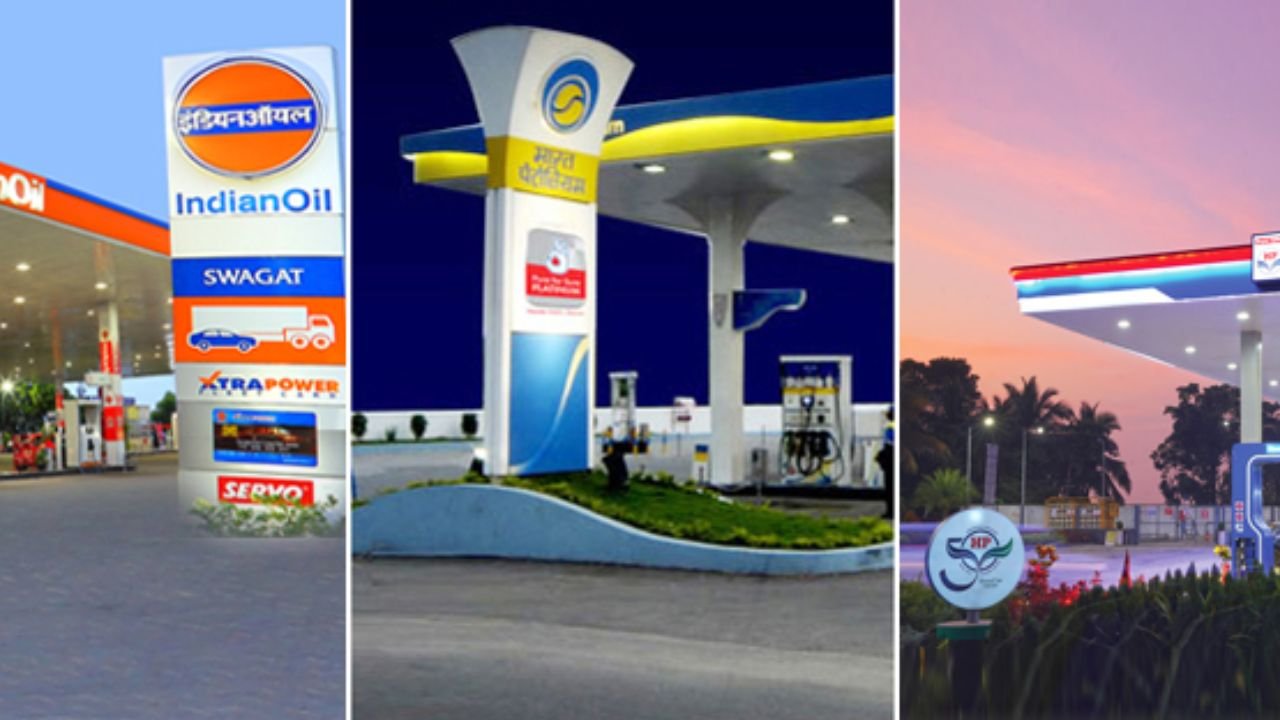
Petrol and diesel prices in India are expected to remain stable for the time being despite rising global concerns over tensions involving Iran and the United States, government sources said.
According to officials, the government has activated a fuel supply management programme to deal with any potential disruptions in global oil supply. The move is aimed at ensuring that domestic fuel availability remains steady even if international conditions become volatile.
Officials also addressed concerns about possible disruptions in the Strait of Hormuz, a key global shipping route for crude oil and gas. Sources said India has already diversified its energy sourcing strategy to reduce dependence on the Middle East.
Earlier, around 60 per cent of India’s oil supplies were sourced from regions passing through the Strait of Hormuz. Now, India has increased sourcing from non-Hormuz regions to nearly 70 per cent, helping reduce risks associated with geopolitical tensions in the Middle East.
Authorities said India has begun importing oil and gas from alternative supplier countries to maintain energy security and protect domestic fuel markets from sudden disruptions.
On concerns about a possible LPG price hike, officials clarified that the recent increase in gas prices has been marginal and not a significant surge. They also confirmed that LPG distributors across the country currently have adequate stock to meet consumer demand.
Government sources further stated that strict monitoring mechanisms have been put in place to prevent black marketing of fuel and LPG. Ensuring uninterrupted supply for domestic consumers remains the government’s top priority.
The issue has gained attention following an incident involving a Thai-flagged cargo vessel that was attacked near the Strait of Hormuz shortly after leaving a port in the United Arab Emirates while sailing towards India.
India currently imports around 60 per cent of its total LPG demand, with nearly 80–90 per cent of those supplies traditionally coming from Middle Eastern countries. Since much of this supply passes through the Strait of Hormuz, tensions in the region often raise concerns about energy prices and supply stability.
Despite the geopolitical risks, retail fuel prices at petrol pumps have remained unchanged for now, as oil marketing companies continue to absorb some of the cost pressures.
Government officials reiterated that maintaining stable fuel supply and protecting consumers from sudden price spikes remains a key priority.

