



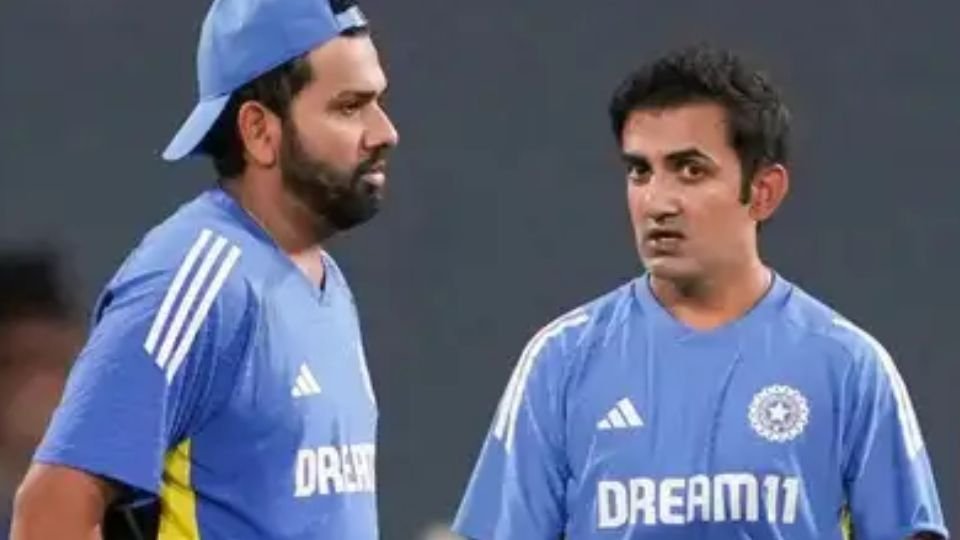
The decision to strip Rohit Sharma of India’s ODI captaincy, despite his recent success at the ICC Champions Trophy, has sparked fresh debate within cricketing circles, with former India batter Manoj Tiwary alleging that head coach Gautam Gambhir may have played an influential role behind the scenes.
Rohit, one of India’s most decorated modern-day captains, did not step aside voluntarily. Instead, the call was taken by the selection panel headed by Ajit Agarkar as part of a long-term transition plan aimed at the 2027 ODI World Cup. While the Board of Control for Cricket in India (BCCI) publicly framed the move as a strategic reset, Tiwary believes the decision was not as straightforward as it appeared.
Speaking to Sports Today, Tiwary suggested that Agarkar, known for his decisiveness, may not have acted entirely alone. He hinted that Gambhir’s influence could have been significant in shaping the call. According to Tiwary, leadership changes of such magnitude are rarely made in isolation and usually involve close consultation between the chief selector and the head coach.
The selection committee has since handed the ODI captaincy to Shubman Gill, signalling a clear shift towards youth and continuity. The move was justified internally by concerns over Rohit’s age and long-term availability, with the 2027 World Cup still two years away. However, critics argue that Rohit’s recent performances, fitness levels, and hunger for competition suggest he remains a viable option for the next global event.
Tiwary did not hide his disappointment, describing the decision as harsh and lacking cricketing logic. He pointed out that Rohit had delivered two ICC trophies and had consistently led from the front, especially during the 2023 ODI World Cup where his aggressive, selfless batting set the tone for the team. Removing such a leader, Tiwary said, sends a troubling message about how achievements and experience are valued.
He also questioned the broader direction of the team management, citing frequent changes in the playing XI and a lack of stability. For Tiwary, the handling of Rohit’s captaincy exit felt disrespectful to a player who has given years of service and joy to Indian cricket fans.
While the BCCI has maintained silence on the internal deliberations that led to the change, the controversy has reignited discussions about the balance of power between selectors and coaches, and whether transitions are being driven more by long-term projections than by present-day performance.
As India moves forward under new leadership, the Rohit Sharma episode is likely to remain a reference point in debates about succession planning, respect for senior players, and the unseen dynamics that shape decisions at the highest level of Indian cricket.

