



New Delhi/Mumbai: Israel has categorically rejected any role for the Pakistan Army in a future Gaza stabilisation and security mission, stating that it can only cooperate with countries it considers trustworthy partners. The statement, delivered by Israeli diplomatic officials, signals a widening trust gap amid concerns over Islamabad’s historical and political proximity to militant networks operating in South Asia and the Middle East.
The remarks come at a time when fresh video-based revelations have renewed scrutiny on the movements of senior Hamas commander Naji Zaheer, who has reportedly appeared at public programmes and high-profile engagements on Pakistani soil over the past three years. Intelligence and media assessments claim that Zaheer has shared platforms with individuals linked to US-designated terror organisations including Lashkar-e-Taiba (LeT) and Jaish-e-Mohammed (JeM) — groups long associated with regional militancy and anti-India terror operations.
Zaheer’s documented engagements have included appearances in Pakistan-occupied Kashmir (PoK) in 2025, and participation in public events in cities like Karachi, Islamabad, Quetta, and Gujranwala — some hosted by the Pakistan Markazi Muslim League (PMML), believed by analysts to be the political front of Lashkar-e-Taiba. Although Pakistan has not publicly classified Hamas as a terrorist organisation, Western and Israeli officials have continued to express scepticism about Islamabad’s suitability for security roles tied to Gaza’s reconstruction or long-term civilian stabilisation.
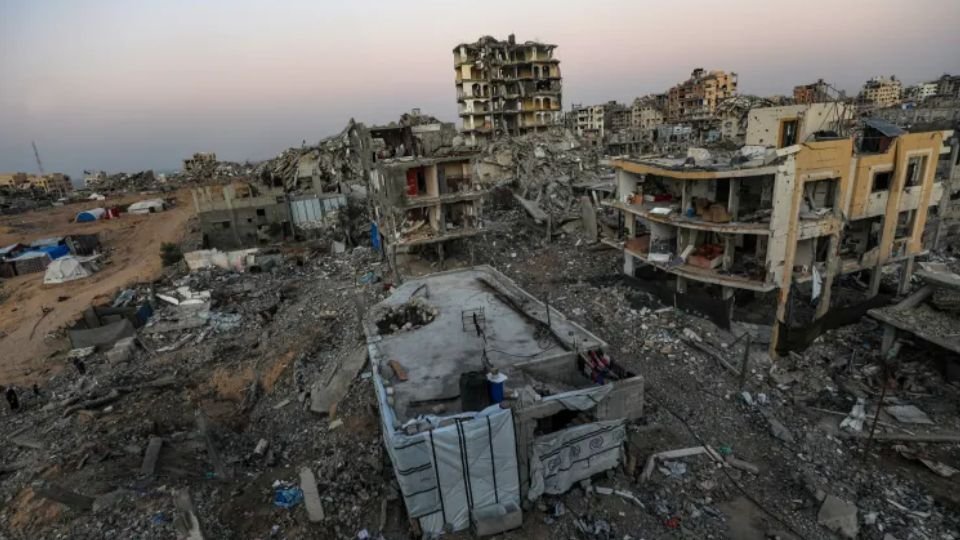
Israel’s position holds diplomatic weight because the United States has proposed a post-conflict plan to rebuild Gaza’s infrastructure under the supervision of an international stabilisation force. US officials have previously indicated that countries contributing troops would be evaluated not only for logistical capability but also for counter-militant alignment and geopolitical reliability.
Israeli officials have stressed that any peace or stabilisation agenda must ensure the complete dismantling of Hamas’s military influence before outside actors are invited to oversee reconstruction or security continuity. This framing effectively rules out Pakistan, which has neither recognised Israel diplomatically nor distanced itself from the Palestinian organisation politically, and has historically maintained a policy of ideological and diplomatic support for the Palestinian cause.
The latest developments underline a critical geopolitical theme: energy diplomacy, militant networking, and military trust frameworks are shaping the architecture of post-war West Asia. For Israel and its Western allies, trust remains the entry ticket to stabilisation missions, and Islamabad has been left out of the equation — at least for now.
As global capitals continue negotiating Gaza’s future security blueprint, Israel’s message is clear: stabilisation must rest on strategic trust, not symbolic solidarity.

