



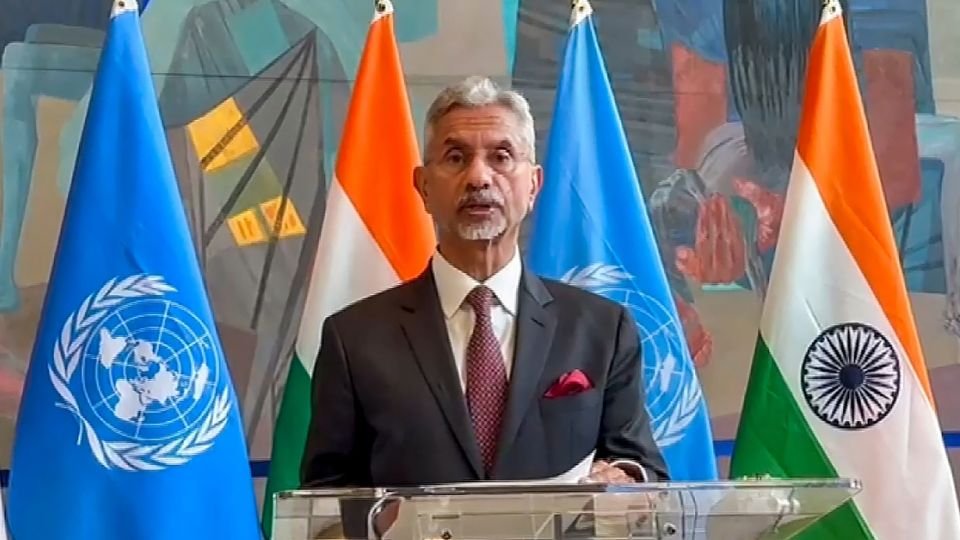
Speaking to students at IIT-Madras in Chennai, Jaishankar delivered sharp remarks on Pakistan’s long-term posture on terrorism, describing the country as a neighbour that has repeatedly relied on extremist proxies. His comments also signalled India’s refusal to accept external pressure on security operations, in an apparent reference to Operation Sindoor, a military campaign launched earlier this year after the Pahalgam terror attack.
The 1960 Indus Waters Treaty was referenced by the minister to highlight that agreements built on cooperation cannot coexist with decades of cross-border terrorism. He stressed that it is not possible for one country to demand the advantages of neighbourly cooperation while simultaneously sustaining hostile terror networks against the other. Earlier statements from the minister had similarly pointed toward the Pakistani military establishment as the source of many of India’s enduring security challenges.
The context for Jaishankar’s remarks traces back to the April 22 terror attack in Pahalgam, Jammu and Kashmir, which killed 26 civilians. Indian agencies linked the attack to The Resistance Front, identified by security officials as a proxy front for the Pakistan-based terror group Lashkar-e-Taiba. Following intelligence establishing cross-border involvement, India launched Operation Sindoor on May 7, targeting terror infrastructure in Pakistan and Pakistan-occupied Kashmir. Initial assessments by defence officials said the strikes eliminated multiple terror camps and killed over 100 militants.
Tensions escalated further after retaliatory missile and drone activity from Pakistan, which Indian defence forces said they intercepted. A brief but intense air engagement was reported on May 7, followed by India striking Pakistani airfields. The ceasefire was formally announced on May 10 through direct military channels, with Indian authorities again emphasising that no third country was involved in brokering the truce.
Jaishankar’s comments to students echoed India’s broader security doctrine. He stated that nations may choose peace through diplomacy, but they cannot choose peace while institutionalising terrorism as a policy tool. He reaffirmed that India’s response to terrorism will be guided by strategic necessity, institutional clarity, and sovereign choice — not by external instruction.

