



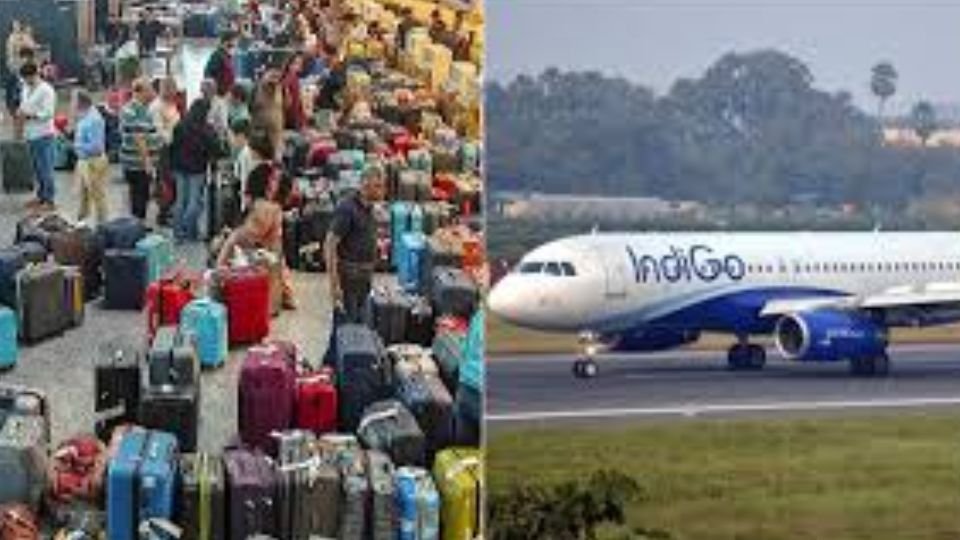
India’s largest airline, IndiGo, is facing one of the most severe operational breakdowns in its history, with more than 4,500 flights cancelled in just seven days. The disruptions, which began with scattered delays last week, have escalated into widespread cancellations across major airports, leaving tens of thousands of passengers stranded and prompting urgent intervention from aviation authorities.
The crisis stems from a convergence of issues that have strained IndiGo’s network beyond capacity. A combination of new crew duty regulations, technical challenges linked to aircraft software updates, winter weather disruptions and mounting airport congestion has left the airline unable to maintain its schedule. The updated Flight Duty Time Limitations, which mandate longer rest hours and stricter night-time operating restrictions for pilots, have sharply reduced IndiGo’s crew availability at a time when aircraft utilisation was already stretched.
Passengers across Delhi, Mumbai, Bengaluru and Hyderabad have faced repeated last-minute cancellations, long queues, delays in baggage handling and difficulty securing alternate flights. Social media has been flooded with complaints, images of overcrowded terminals and calls for the airline to provide clearer communication. Many travellers missed connecting international flights, while others reported waiting for hours only to discover their flights had been cancelled shortly before departure.
Data from the Directorate General of Civil Aviation shows IndiGo’s on-time performance has dropped dramatically during the crisis, dipping far below its usual standards. The regulator has summoned the airline’s top management to explain the failure, assess the depth of the problem and submit a corrective strategy. Officials are also monitoring whether passenger rights were violated and whether compensation guidelines have been properly followed.
IndiGo has acknowledged the severity of the situation, stating that its teams are working “round the clock” to stabilise operations. The airline has initiated schedule adjustments to reduce strain on its crew and aircraft, but travellers continue to experience uncertainty as cancellations persist. With a fleet of more than 400 planes and over 2,000 flights a day in normal conditions, even small disruptions can ripple across the network—an effect now magnified by the scale of the crisis.
Industry analysts say it may take several more days before IndiGo’s operations return to normal. They have also raised concerns about the airline’s planning and resource management, noting that an airline of its size requires sufficient backup capacity to absorb unexpected pressure. For now, passengers are bracing for continued delays as India’s most widely used carrier works to regain stability.

