



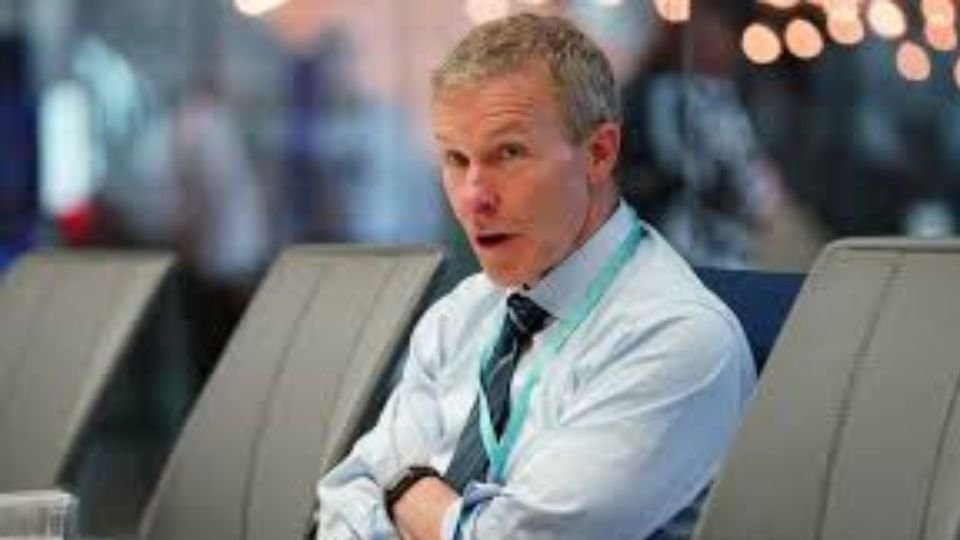
United Airlines CEO Scott Kirby has reignited an industry-wide debate with his sharp critique of American Airlines, predicting that the future of U.S. aviation will be dominated by only two full-service carriers: United and Delta. Kirby’s comments, made during his appearance on the “Airline Confidential” podcast, cast doubt on the long-term stability of American Airlines and several other competitors.
Kirby said the industry is heading toward a structure where only a few airlines with strong brand loyalty and diversified revenue models will succeed. According to him, the remaining carriers are primarily fighting for leftover passenger traffic that lacks consistency and profitability. He argued that several airlines, including American, operate a significant portion of routes that consistently lose money. During United’s Q2 earnings call in July 2025, he stated that he could identify “a double-digit percentage” of loss-making routes in the networks of many competing airlines.
His criticisms extend beyond American Airlines. Kirby has publicly dismissed the low-cost and ultra-low-cost airline business models, calling them outdated and overly reliant on hidden fees that fail to build long-term customer loyalty. He believes those carriers will struggle to survive as the market shifts toward reliability, service quality and revenue stability.
United has been executing an aggressive expansion strategy, particularly at major hubs. Aviation A27 reported that the carrier is increasing daily departures at Chicago O’Hare, aiming to capture both local and connecting traffic. Kirby has reportedly told United pilots that American Airlines could eventually lose its foothold in Chicago, a suggestion likely to intensify the rivalry between the two airlines.
This rivalry carries a personal history. Kirby was pushed out of American Airlines in 2016 due to internal leadership conflicts, after which Robert Isom replaced him as president. Kirby later joined United, became CEO and led a revival that has strengthened the airline’s position against both American and Delta. Since leaving American, he has frequently questioned the carrier’s competitiveness and strategy.
American Airlines CEO Robert Isom has responded strongly to Kirby’s latest comments. He acknowledged Kirby’s talents but dismissed his prediction, saying Kirby is “dead wrong” about American’s future. Isom argued that American offers a premium product and is successfully growing, particularly across its Sunbelt hubs, where demand remains robust. In earlier exchanges, Isom accused United of presenting an overly optimistic view of its performance while insisting that American’s growth is sustainable.
At the core of Kirby’s argument is the concept of “brand-loyal airlines” — carriers that maintain a strong base of repeat customers who consistently prefer their service, even in a competitive market. He maintains that, under rising cost pressures and shifting consumer expectations, only airlines with loyal customer bases, diversified revenue sources and efficient route networks will emerge as long-term leaders.
The debate highlights the evolving landscape of U.S. aviation, marked by consolidation concerns, competitive expansion strategies and questions about the future of legacy and low-cost carriers alike. As airlines continue to navigate economic uncertainties, shifting travel demand and rising operational costs, the rivalry between United, American and Delta promises to shape the next chapter of the industry.

