



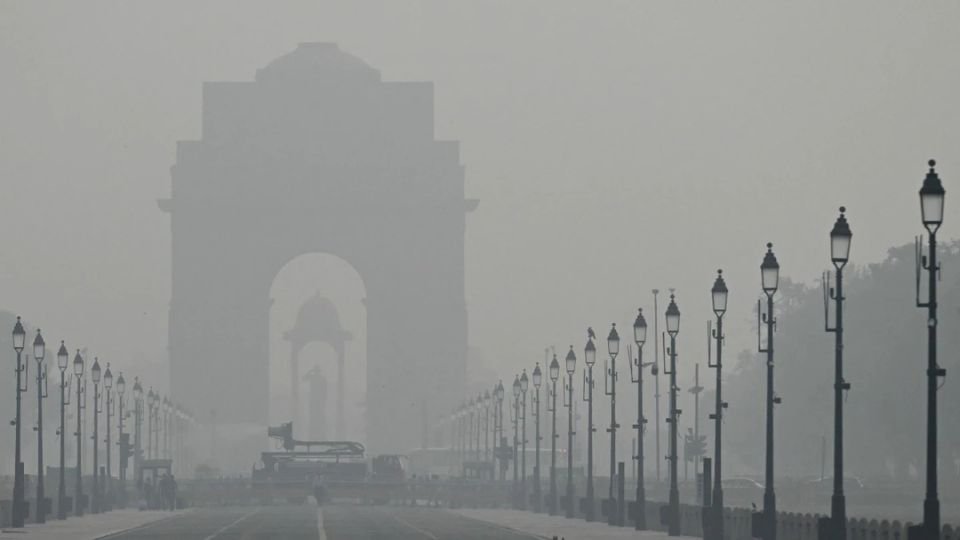
Severe air pollution in Delhi has once again disrupted major cricket plans, with the Board of Control for Cricket in India (BCCI) shifting the knockout stage of the men’s Under-23 one-day tournament from Delhi to Mumbai. The decision comes amid rapidly deteriorating air quality in the national capital, raising serious health concerns for players, officials and spectators.
According to reports, the BCCI has informed the Mumbai Cricket Association (MCA) to prepare to host the knockout fixtures, which will now be played between November 25 and December 1. The move follows the Supreme Court’s recent caution against holding outdoor sports activities in Delhi-NCR due to hazardous pollution levels.
A senior MCA official confirmed receiving a verbal communication from the board.
“We got a call from the BCCI informing us that the U-23 one-day knockouts have been allotted to Mumbai because cricket simply cannot be played in Delhi’s current conditions,” the official reportedly said.
Forecasts from the Ministry of Earth Sciences’ Air Quality Early Warning System predict that Delhi’s air quality will continue to fluctuate between ‘very poor’ and ‘severe’ over the next week. Such conditions significantly increase the risk of respiratory issues, making competitive outdoor sports unsafe.
This is not the first time the BCCI has been forced to alter its domestic or international schedule due to Delhi’s pollution crisis. Earlier this year, the board moved the first Test against South Africa, originally planned for Delhi on November 14, to Kolkata over pollution concerns. In exchange, Delhi’s Arun Jaitley Stadium was allocated the second Test against the West Indies on October 10, when conditions were expected to be more stable.
Delhi has a history of pollution-affected cricket. During the 2017 Test against Sri Lanka, several players were seen wearing masks on the field as the Air Quality Index fluctuated between 316 and 390, with some experiencing breathing difficulties.
With worsening conditions this year, the BCCI’s latest decision highlights growing concerns about the long-term viability of hosting winter sporting events in the capital.

